
Maritime Hooks
Need release hooks for marine operations?
For marine lifting, mooring, and emergency release requirements, PRD Hook provides application guidance on on-load release hooks, corrosion-resistant configurations, actuation options, and suitable product series for sea-going environments.
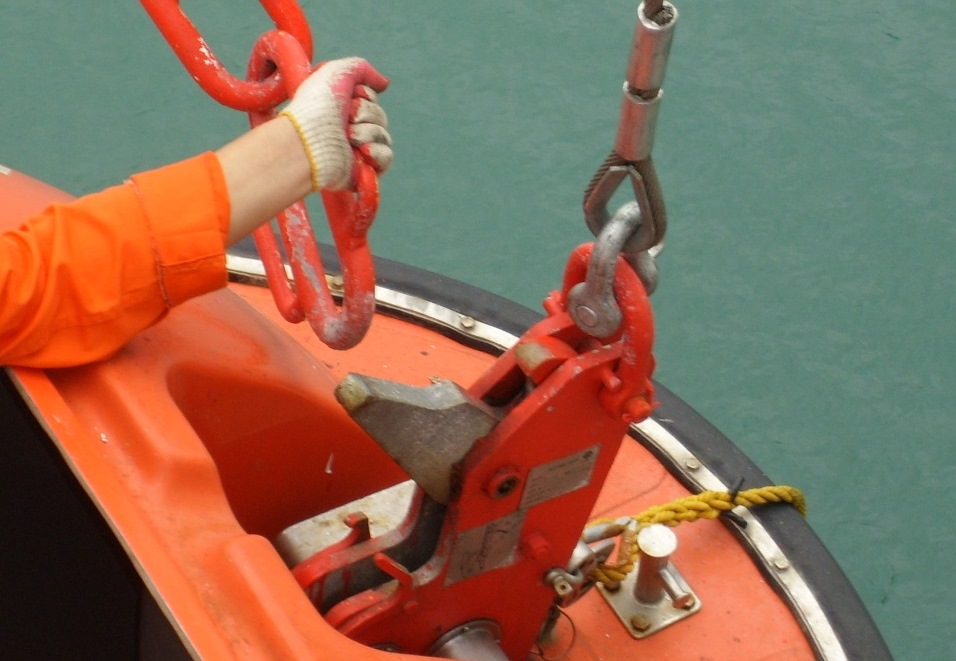
What Are Maritime Release Hooks?
Maritime release hooks are mechanical devices used to safely connect and disconnect loads in marine environments. They are most commonly used in lifeboat systems, rescue operations, and davit-launched equipment where controlled release is critical for safety.
These hooks are designed to operate under challenging conditions such as corrosion, dynamic loading, and emergency scenarios. Their primary function is to ensure that equipment can be released safely and reliably when required.
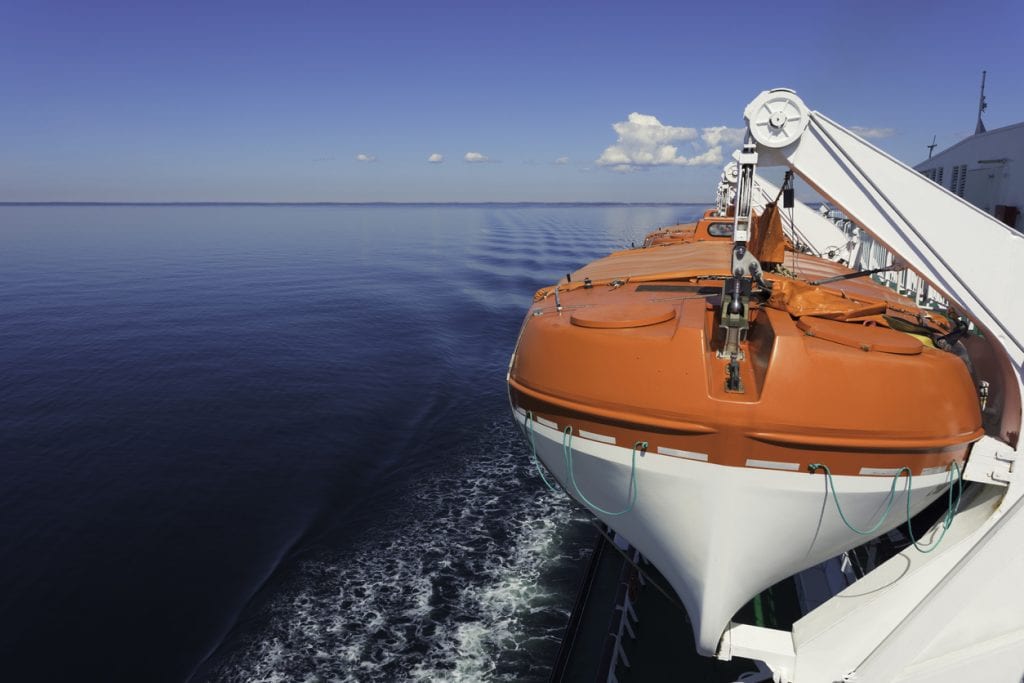
Where Are Maritime Release Hooks Used?
- Lifeboat launching systems
- Liferaft davit systems
- Rescue boat operations
- Offshore transfer systems
- Emergency evacuation equipment
Types of Maritime Release Hooks
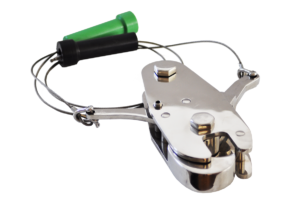
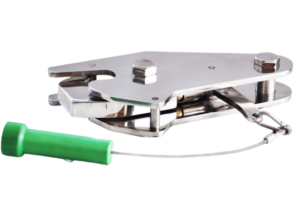
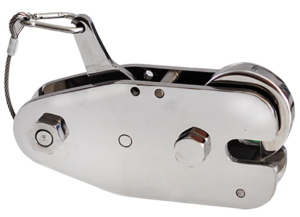
Depending on the application, different release mechanisms are used. The most common types include:
- On-load release hooks
- Off-load release hooks
- Combined release systems
Each type is designed for specific operational scenarios and safety requirements. Selecting the correct type is essential for safe operation.
Key Considerations When Selecting a Hook
- Load capacity and safety factor
- Environmental resistance (corrosion, seawater)
- Release mechanism type
- Ease of maintenance and inspection
- Compliance with applicable standards
Choosing the correct release hook depends on both technical requirements and operational conditions. Improper selection may lead to safety risks or operational failures.
Selection factors for maritime release hooks
Maritime release hooks must be selected with saltwater exposure, corrosion resistance, inspection access, and emergency operation in mind. Lifeboat, rescue boat, mooring, and marine lifting tasks may each require different release behavior even when the working load looks similar.
Important considerations include safe working load, release under tension, manual or remote actuation, materials, certification, maintenance intervals, and whether the hook will be exposed to shock loading or continuous marine weather.